As temperatures drop and wet autumn soil transitions into frozen winter ruts, heavy machinery faces its most challenging operating conditions. For earthmoving contractors and site crews across the Midwest and Northern states, cold weather thickens hydraulic fluid, stresses electrical systems, and turns packed mud into concrete-like obstructions.
At Bailey Equipment Company, every machine in our yard undergoes seasonal servicing to withstand these harsh operating cycles. Implementing a disciplined cold-weather maintenance routine protects your high-value hydraulic components, prevents expensive hydrostatic failures, and keeps your fleet productive through freeze-thaw shifts.
1. Hydraulic Fluid Viscosity & Warm-Up Protocols
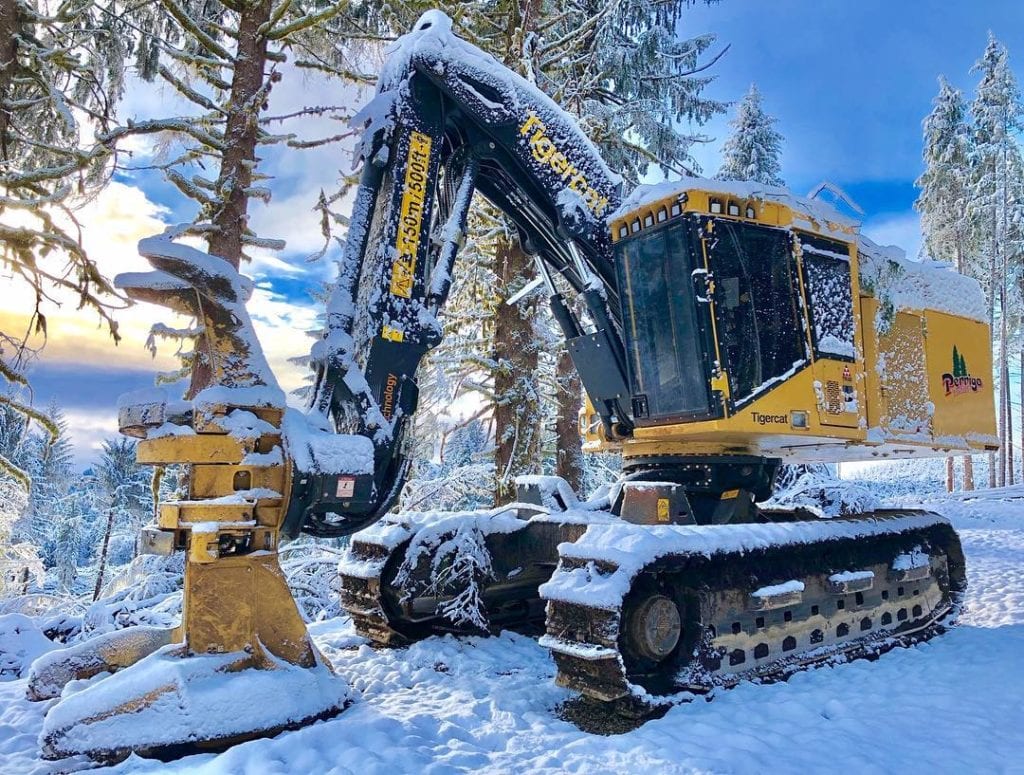
Cold ambient temperatures dramatically increase hydraulic oil viscosity. Operating high-demand circuits immediately after startup forces thick oil through tight valve ports, causing pump cavitation, accelerated gear wear, and blown manifold seals.
- Fluid Selection: Verify your fluid matches local seasonal ranges. Transitioning from standard ISO VG 46 to a high-viscosity-index ISO 32 or multi-season synthetic hydraulic oil ensures steady fluid movement below 32°F (0°C).
- Warm-Up Cycles: Run the diesel engine at low idle for 5–10 minutes, then cycle each hydraulic cylinder through its full range of motion without a workload. Circulating warm oil through the auxiliary lines and pilot controls equalizes system pressure before digging or lifting.
2. Managing Moisture Traps and Chrome Rod Protection
Fluctuating ambient temperatures draw ambient condensation into fluid reservoirs, creating internal corrosion and seal breakdown.
- Daily Water Separation: Drain the primary fuel-water separator every morning before cranking. Water pockets freezing inside high-pressure common rail (HPCR) injection systems can destroy expensive fuel injectors within minutes.
- Cylinder Rod Maintenance: When parking machinery outdoors overnight, retract hydraulic cylinders as far as possible to protect exposed chrome rods from freezing rain, slush, and road salt spray. Coat exposed cylinder sections with a light film of clean hydraulic oil or specialized anti-corrosion grease to prevent surface pitting that shreds wiper seals.
3. Undercarriage Cleanouts & Freeze-In Prevention
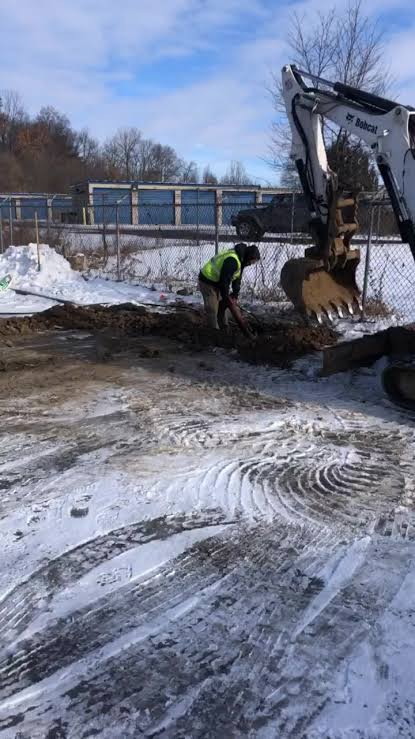
For track loaders and excavators, wet clay and mud present a severe mechanical hazard once overnight temperatures fall below freezing.
- End-of-Shift Cleanouts: Never leave wet soil packed into the track frames overnight. Frozen dirt locks up rollers, idlers, and drive sprockets. Attempting to force a frozen track forward the next morning can strip drive lugs, snap rubber track cables, or burn out hydrostatic travel motors.
- Parking on Timber: Park tracked machinery on dry wooden planks or clean gravel pads rather than bare wet mud. This prevents the rubber or steel tracks from freezing solid to the ground surface.
4. Battery Voltage & Cold Cranking Amps (CCA)
Diesel engines demand substantially higher cranking amperage in sub-freezing temperatures, while lead-acid batteries lose up to 50% of their operational capacity below 32°F.
- Terminal Integrity: Clean and coat battery terminals with dielectric grease to block road spray and moisture.
- State of Charge: Test your battery bank under load before the cold sets in. A marginal battery that turns an engine over in September will routinely fail during a December frost.
Dependable Machinery Built for Harsh Conditions
Preventative maintenance turns severe weather from an operational crisis into a manageable job-site routine. At Bailey Equipment Company, we ensure every pre-owned track loader, excavator, and attachment is mechanically sound, fluid-tested, and ready to work in demanding seasonal conditions.
Looking to expand your fleet with thoroughly inspected, production-ready iron? View our current inventory online at bailey-equipment.com, visit our equipment yard at 1060 Toro Dr, Jackson, MI, or contact our service and sales team directly at (517) 253-9117.