For site contractors, utility crews, and landscapers across the country, compact equipment drives daily revenue. Machines like compact track loaders (CTLs) and 3-to-6-ton mini excavators tackle high-precision grading, trenching, and material handling without the mobilization headaches of production-class iron.
Buying pre-owned equipment frees up vital working capital, but cosmetic paint touch-ups can easily disguise expensive mechanical neglect. At Bailey Equipment Company, our inspection process focuses on verifying core powertrain and hydraulic health before any machine hits our active yard inventory. Whether you are sourcing machinery locally or arranging nationwide freight, evaluating these critical mechanical checkpoints ensures you acquire dependable, job-ready iron instead of immediate downtime.
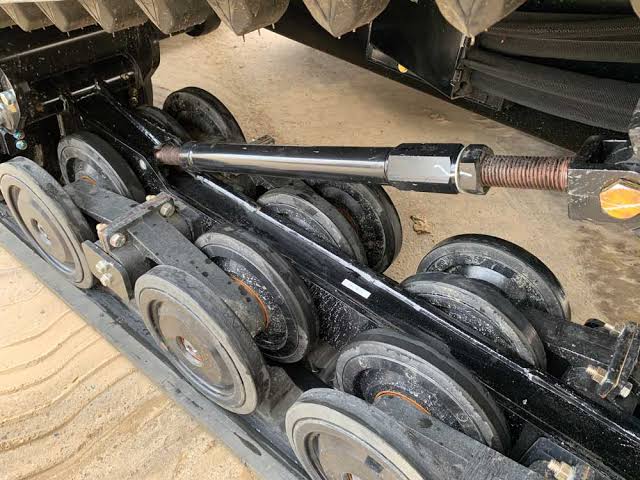
1. Undercarriage Wear & Sprocket Tolerances
On track loaders—especially popular platforms like the Kubota SVL75-2 / SVL95-2s or Bobcat T-series—the undercarriage accounts for up to 50% of the machine’s ongoing running gear costs.
- Drive Sprockets: Inspect the drive teeth. Healthy teeth feature flat tops; worn sprockets develop sharp, pointed curves (“shark-finning”) that quickly chew through rubber track drive lugs.
- Rollers and Idlers: Check for flat spots, oil seal weeping, and lateral play. Seized bottom rollers introduce drag that strains hydrostatic drive motors and cuts fuel efficiency.
- Track Tension & Carcass Condition: Measure track sag against factory specifications. Look for deep gouges exposing internal steel cables, dry rot on older rubber compounds, or torn drive lugs along the inner circumference.
2. Hydraulic System Pressure & Cycle Speeds
Hydraulics dictate machine productivity. A visual inspection for hose leaks is only step one; operational load testing reveals the true state of pumps and main valve blocks.
- Cycle Time and Drift Tests: Raise the loader arms or extend the excavator boom and loaded bucket to full height. Shut off the machine and observe for 5 to 10 minutes. Noticeable cylinder drift indicates internal bypass in the packings or control spool wear.
- High-Flow Functionality: If the unit features auxiliary or high-flow hydraulics (essential for operating heavy trenchers, mulchers, or cold planers), engage the circuit under working load. Listen for pump cavitation, unusual whining, or sudden engine RPM drops.
- Fluid Condition: Pull the hydraulic dipstick. Milky fluid signals water contamination, while a burnt odor indicates sustained thermal breakdown that degrades internal valve seals.
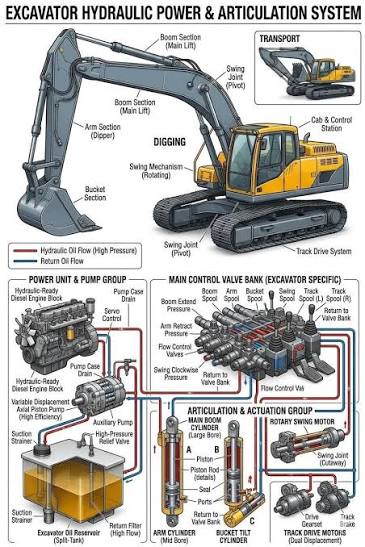
3. Bushings, Kingpins, and Slew Ring Play
Pin and bushing wear directly impacts operator accuracy, cycle times, and structural longevity.
On mini excavators, set the stick perpendicular to the ground and apply light down-pressure, then gently toggle the joystick to check for excess clearance at the boom pivot, arm linkage, and bucket pins. Next, test the slew ring: plant the bucket firmly into the ground and gently swing left and right to inspect the ring gear and swing motor reduction box for excessive play.
On skid steers and track loaders, lower the bucket flat against the ground and push gently forward. Uncontrolled movement in the main loader arm pins or universal quick-attach plate points to neglected grease intervals and potential bore distortion.
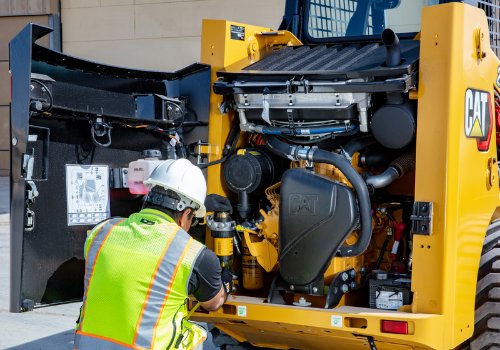
4. Tier 4 Final Engine Diagnostics & Blow-by
Modern compact diesel engines (Kubota, Yanmar, Cat) require disciplined maintenance routines to keep emissions systems functional.
- Cold Start Assessment: Always insist on starting the machine completely cold. Long cranking cycles, white smoke on startup, or erratic idling can indicate failing fuel injectors or weak glow plugs.
- Blow-by Verification: While running at operating temperature, carefully unthread the oil fill cap (using protective gloves) and place it loose over the opening. If crankcase pressure knocks the cap off or releases visible blue smoke, the piston rings are severely worn.
- Aftertreatment (DPF/DEF): Review the instrument cluster for active DPF soot loading percentages or emissions fault codes. Frequent manual regeneration alerts often indicate short-duty thermal cycles or sensor issues.
5. Application History Over Machine Hours
Hour meters only tell part of the story. A 2,500-hour machine that spent its service life moving clean topsoil and mulch on residential landscape sites will generally retain significantly more mechanical life than a 1,200-hour unit operated in a demolition yard running a high-impact hydraulic breaker.
Prioritize documented service intervals, fluid analysis records, and high-resolution walk-around videos of cold operation. When buying across state lines, work exclusively with established equipment yards that welcome independent third-party mechanic inspections and provide clear, verifiable data.
Source Work-Ready Machinery with Bailey Equipment Company
Navigating the pre-owned equipment market shouldn’t mean taking on uncalculated risks. At Bailey Equipment Company, we eliminate the guesswork by thoroughly inspecting, testing, and servicing every compact track loader, mini excavator, and work attachment before it joins our active inventory.
From detailed fluid analysis reports to secure nationwide freight coordination directly to your job site, our team ensures you receive verified, job-ready iron backed by transparent support.
Browse our current inventory at bailey-equipment.com, and call our sales and service line directly at (517) 253-9117 or email us at [email protected] to discuss your project requirements.